
Year-Round Windowsill Rotation for Abundant Harvests

Today we dive into year-round crop rotation plans for windowsill harvests, transforming limited light and space into a steady parade of flavors. You will learn how to schedule cool-loving greens, warm-season herbs, compact fruits, and restorative soil breaks so your sill stays productive, resilient, and joyful. Share your setup, subscribe for calendar updates, and grow alongside a community that loves fresh leaves within arm’s reach.

Foundations of a Productive Sill

Reliable windowsill harvests begin with understanding rotation as a rhythm of change: shifting plant families, alternating nutrient demands, and balancing growth tempo with available light. Containers act like tiny fields; when you swap crops thoughtfully, you interrupt pests, refresh soil life, and keep flavor variety exciting. Start simple, celebrate small wins, and invite questions in the comments so we can troubleshoot together.

Reading Your Window’s Rhythm

Track sun hours, reflections from nearby buildings, and seasonal angles that stretch shadows across the sill. Notice winter drafts, radiator bursts, and how curtains trap warm air. Record these patterns for two weeks, then align your rotations to moments when conditions favor germination, steady growth, or recovery. Share your observations, because comparing notes helps everyone refine timing and avoid frustrating trial-and-error.

Grouping Crops for Smart Swaps

Organize plants by roles and families: leafy nitrogen lovers, fruiting potassium seekers, root and bulb builders, and aromatic herbs that repel tiny invaders. Swap families between cycles to break disease loops and reset nutrient demand. For example, follow fast lettuces with basil, then a quick radish round, finally resting soil with compost and low-salt amendments. Comment with your favorite pairings and why they work.

Succession Timing That Never Leaves Pots Idle

Sow backups before harvesting current containers, keeping seedlings on deck for quick transitions. Overlap crops by two weeks so roots vacate just as newcomers are ready. Use staggered sowing intervals—every seven to ten days—for lettuce and microgreens. Keep a simple calendar, set reminders, and ask for our printable template if helpful. Consistent, small actions prevent gaps and maintain a lively, nutritious pipeline.

Light, Heat, and Moisture Microclimates

A windowsill is a mosaic: center panes blaze with midday sun, corners cool quickly, and night condensation alters humidity. Map these microclimates to position crops precisely—cool greens in breezier spots, warmth lovers near glass with a buffer, and seedlings tucked in gentler exposure. Adjust with reflective card, sheer fabric, and saucers of water. Tell us how your window behaves; tailored advice thrives on details.

Winter Kickoff: Crisp Greens and Gentle Starts

Short days reward sturdy choices: mache, leaf lettuce, arugula, microgreen blends, and pea shoots. Sow thickly, harvest young, and keep nutrient inputs light to avoid salt buildup. Use reflective backing to stretch light, and ventilate briefly to prevent mildew. Start basil or dwarf tomato seedlings late in the season under lamps. Tell us which varieties sprouted fastest for you and why.

Spring Through Early Summer: Energy to Switch Gears
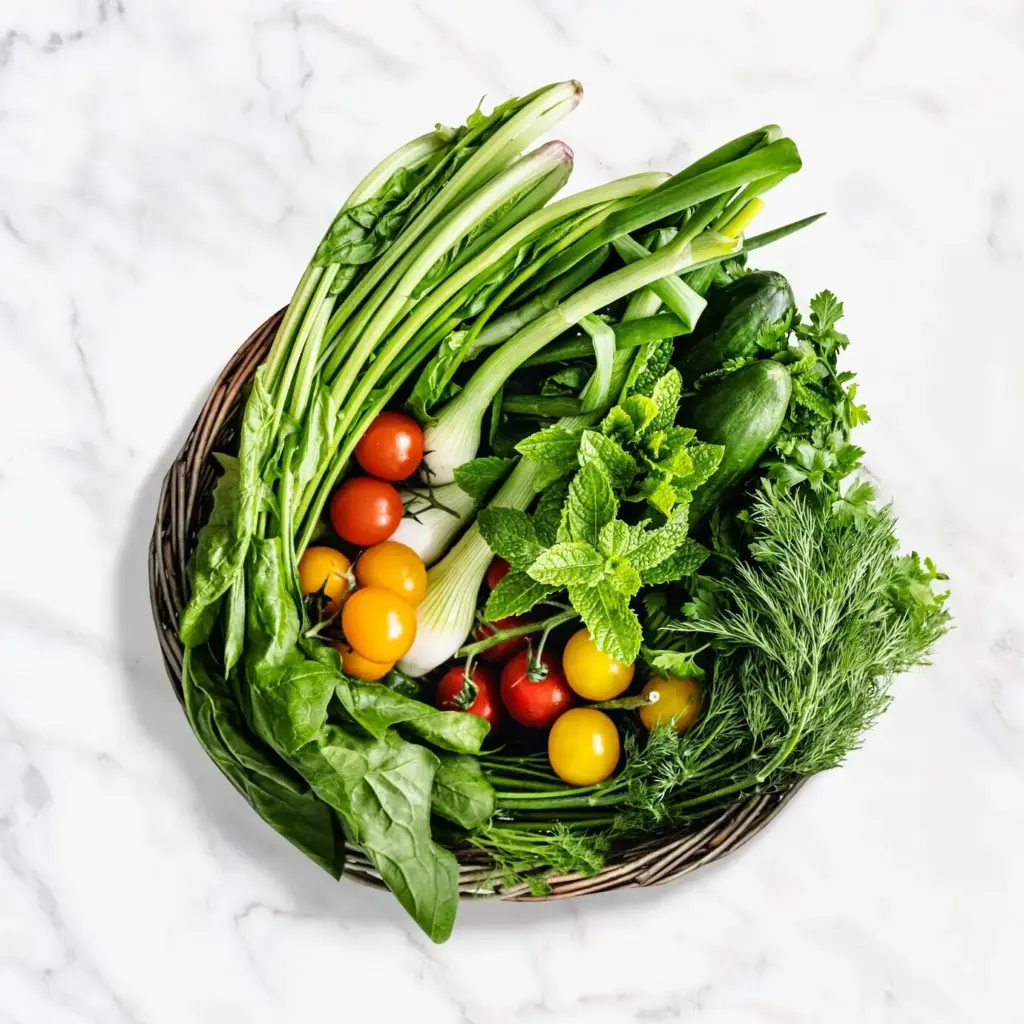
As light intensifies, phase in basil, chives, parsley, and compact tomatoes, following greens to balance nutrient draw. Keep one container in recovery with compost and biochar while others produce. Stagger lettuce reseeds in a smaller pot to maintain salad diversity. If heat spikes, introduce shade cloth midday. Report any sudden bolting or yellowing leaves; we’ll fine-tune watering and feeding together.

Soil, Containers, and Nutrient Cycling

Windowsill success relies on lightweight mixes that drain quickly yet hold moisture, renewed with gentle, low-salt nutrition. Rotate plant families, but also rotate containers: larger pots buffer stress, while smaller pots change temperature faster. Blend sifted compost, coco coir, perlite, and a pinch of slow-release organics. Keep salts in check with periodic flushes. Ask for our troubleshooting checklist if leaves look tired mid-rotation.

Hygiene Between Swaps That Actually Matters

After harvesting, remove debris, rinse pots with hot water, and wipe tools with alcohol. Wash saucers, refresh labels, and vacuum dust that harbors mites. Let the area dry completely before introducing new seedlings. Keep a small bin of clean rags and a spray bottle handy. Share your reset ritual and timings, because efficient, repeatable routines make ambitious rotations feel calm and achievable.

Biological Allies on a Sunny Ledge

Beneficial nematodes, predatory mites, and Bacillus-based sprays can keep populations balanced, especially when space prevents distance barriers. Combine them with scented allies like thyme or mint, which subtly deter soft-bodied pests. Release predators at dusk to reduce escape. Document dates and weather notes, and update us in comments. Community logs help predict pressure waves and guide gentle responses instead of panic treatments.

A Simple Journal for Fast Diagnosis

Record sowing dates, feeds, temperatures, and observations about leaf color, aroma, and vigor. Photograph weekly from the same angle. When issues arise, patterns appear quickly against your notes, saving crops and time. Keep a quarantine shelf for questionable plants while the rest continue thriving. Ask for our printable template, and share anonymized pages so others can learn from your careful discoveries and adjustments.

Choosing Varieties Built for Indoor Rotation

Compact genetics, quick maturity, and forgiving habit make rotations smoother. Prioritize cut-and-come-again leaves, dwarf fruits, and herbs that tolerate trimming. Look for names like micro, dwarf, baby, patio, or container. Mix speeds within each lane so one pot yields fast while another builds strength. If you discover a surprise superstar on your sill, announce it proudly and inspire everyone’s next sowing.

Fast Leafy Workhorses You Can Trust

Choose loose-leaf lettuce, oakleaf blends, arugula, mizuna, tatsoi, and mache for quick turnaround. Harvest outer leaves frequently to keep roots young and growth consistent. These crops pair beautifully with basil or chives in the next cycle. Trial two varieties per pot to compare texture and sweetness. Report which stayed tender under indoor light, guiding other growers toward reliable, weeknight-friendly salads and sandwiches.

Compact Fruiting Champions With Big Personality

Dwarf cherry tomatoes, micro-dwarfs, patio peppers, and bush beans can thrive near bright glass with careful support. Choose determinate or naturally small habits to fit your space. Feed gently, prune lightly, and rotate after fruiting to a leafy refresh pot. Share taste notes, seed sources, and support hacks. Your discoveries help demystify windowsill fruits and keep rotations varied, delicious, and realistically maintainable.

Perennials and Cut-and-Come-Again Staples

Chives, thyme, oregano, mint, and sorrel offer steady harvests while anchoring schedules. Place them in stable microclimates, trimming lightly after each cut to maintain bushy growth. Between major rotations, these stalwarts keep flavor flowing and morale high. Propagate extras for friends, building a neighborhood seed-and-cutting network. Ask questions about spacing or pot depth, and we will tailor guidance to your exact window width.
Rotarumazurelovi
Privacy Overview

This website uses cookies so that we can provide you with the best user experience possible. Cookie information is stored in your browser and performs functions such as recognising you when you return to our website and helping our team to understand which sections of the website you find most interesting and useful.